ON THE INVISIBLE BEAUTY OF ANIMAL STRUCTURES
by John Net
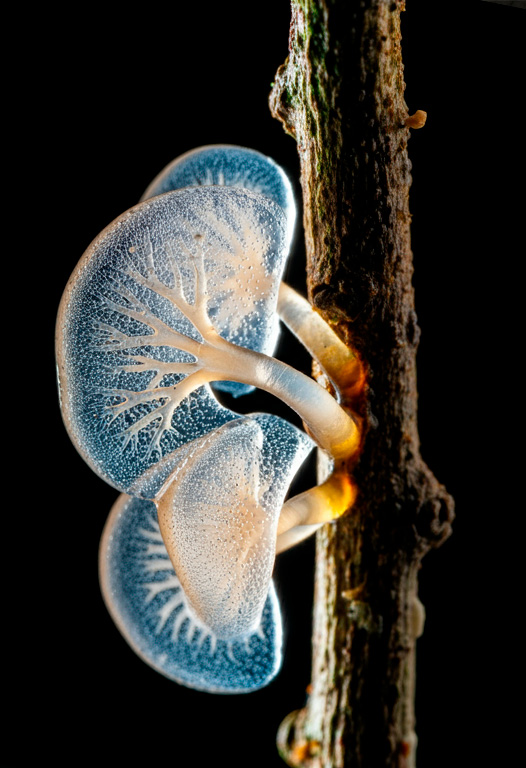
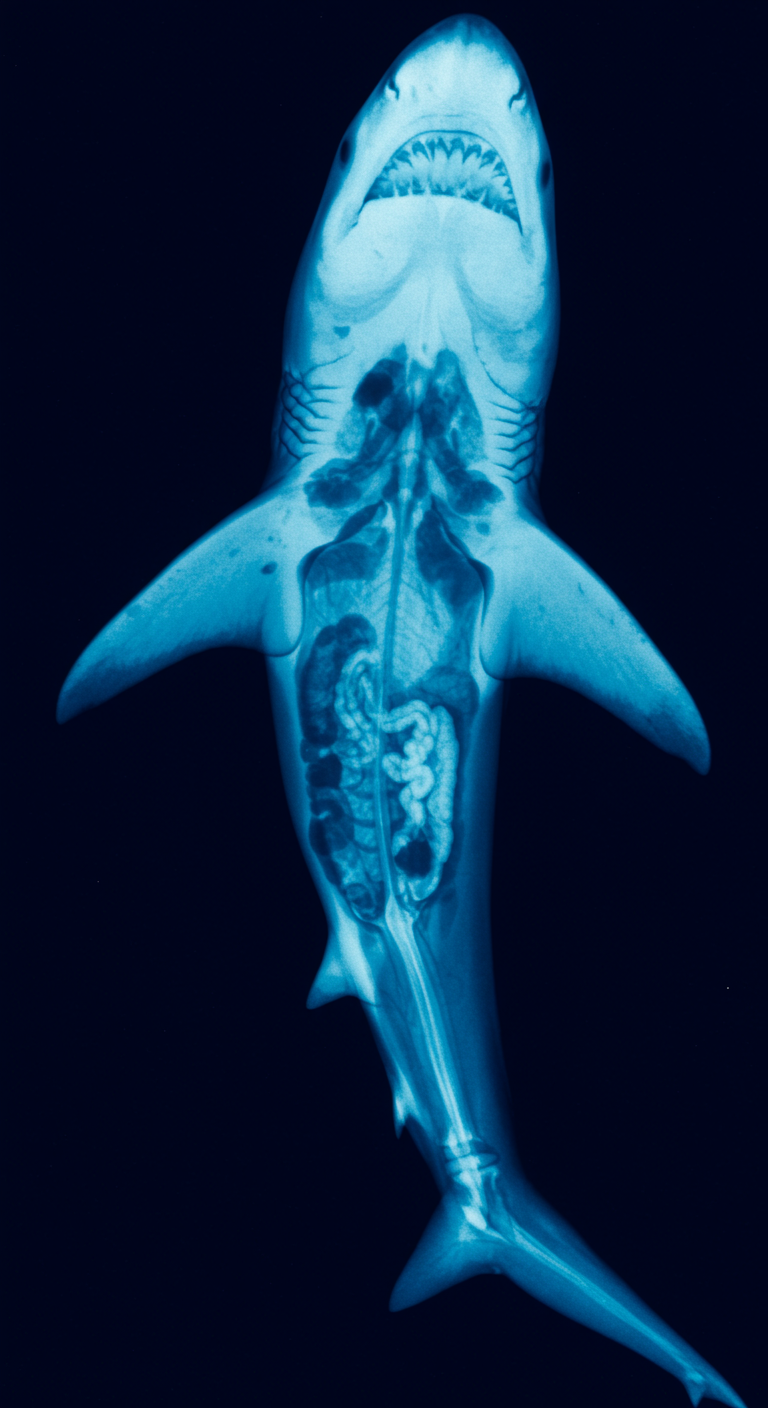
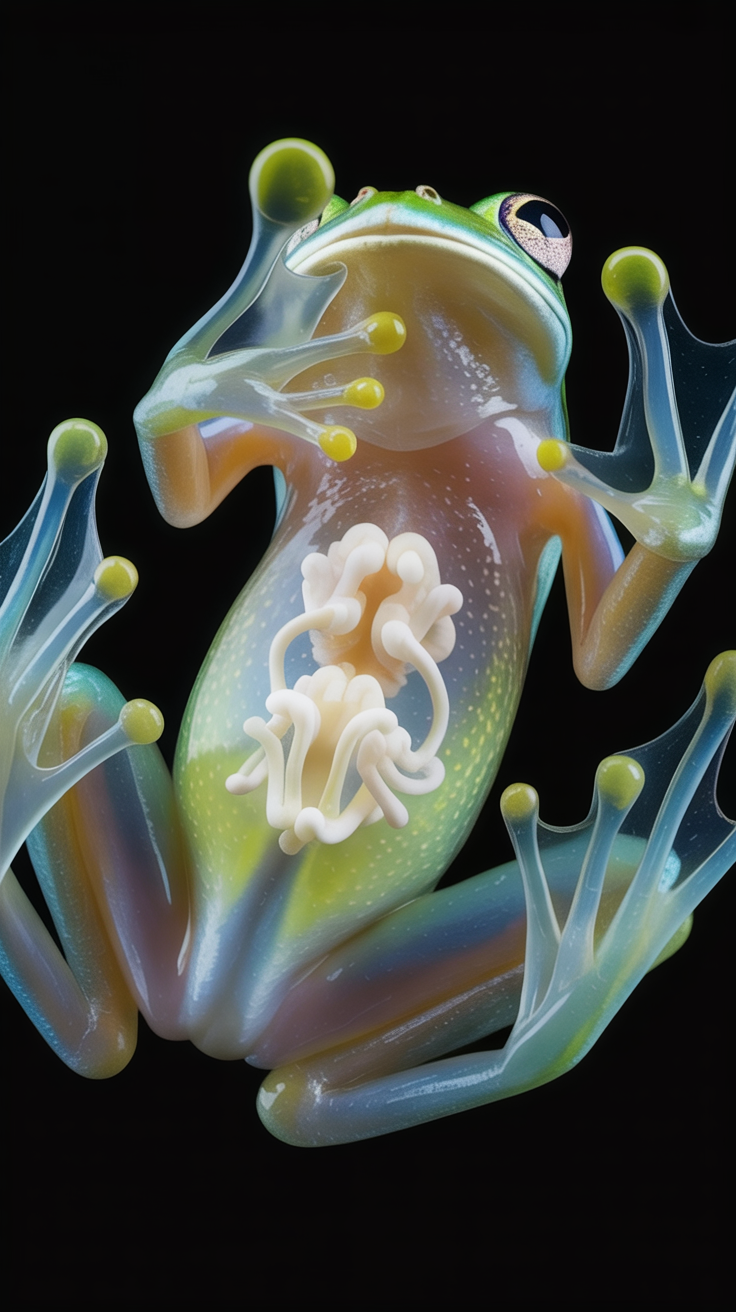
Beneath the surface of every creature lies a hidden architecture — an intricate framework that carries both fragility and strength. Through X-ray vision and advanced imaging, we uncover the silent poetry of skeletons, shells, and wings, a geometry of survival that often surpasses human design.
The wings of a bat, for instance, reveal veins and membranes stretched with mathematical precision, engineered not by architects but by evolution. The ribcage of a tiny bird shows a cathedral-like vault, balancing lightness with resilience. Even the spiral of a seashell, when seen through radiography, mirrors cosmic proportions found in galaxies and storms.
These inner blueprints remind us that beauty is not only external. The elegance of an animal’s structure lies in function refined over millennia: bones hollowed to reduce weight, joints designed for effortless movement, patterns that anticipate pressure and force. Nature creates without waste, building systems where every line serves a purpose.
Observing animals through X-ray imagery is to witness the harmony between form and necessity. It is a language without words, yet one that tells stories of adaptation, survival, and grace. Where humans build monuments of stone and steel, animals carry their monuments within — living architectures that dissolve back into the earth when their time ends.
In this perspective, the unseen becomes a source of wonder. The next time we encounter a bird in flight, a cat in motion, or a fish gliding underwater, we might imagine the hidden structures at work, the invisible artistry that sustains life. To look within is to celebrate a deeper kind of beauty: one that unites science, art, and the quiet intelligence of the natural world.